






























Golf Tournament Demographic Profile

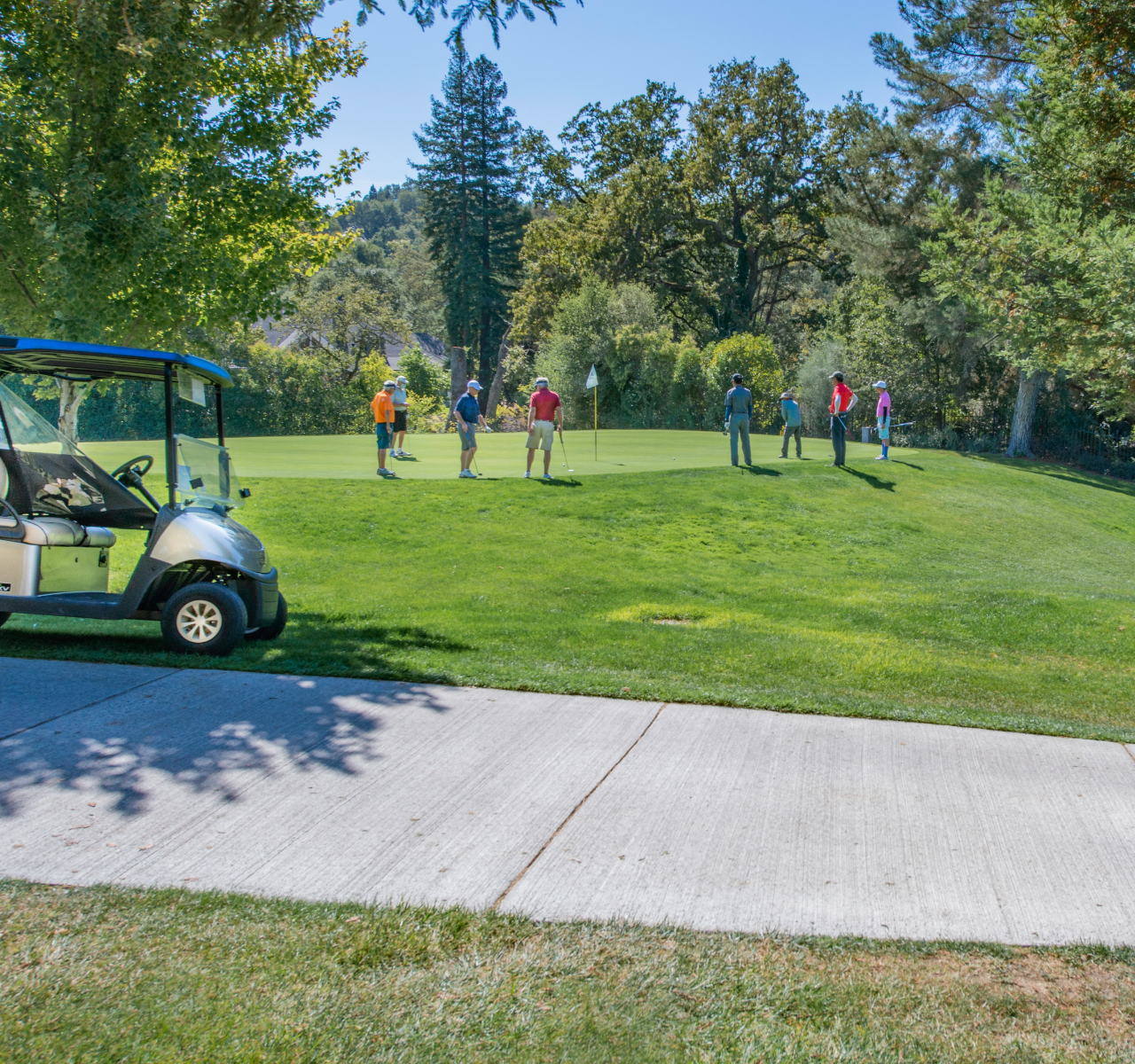
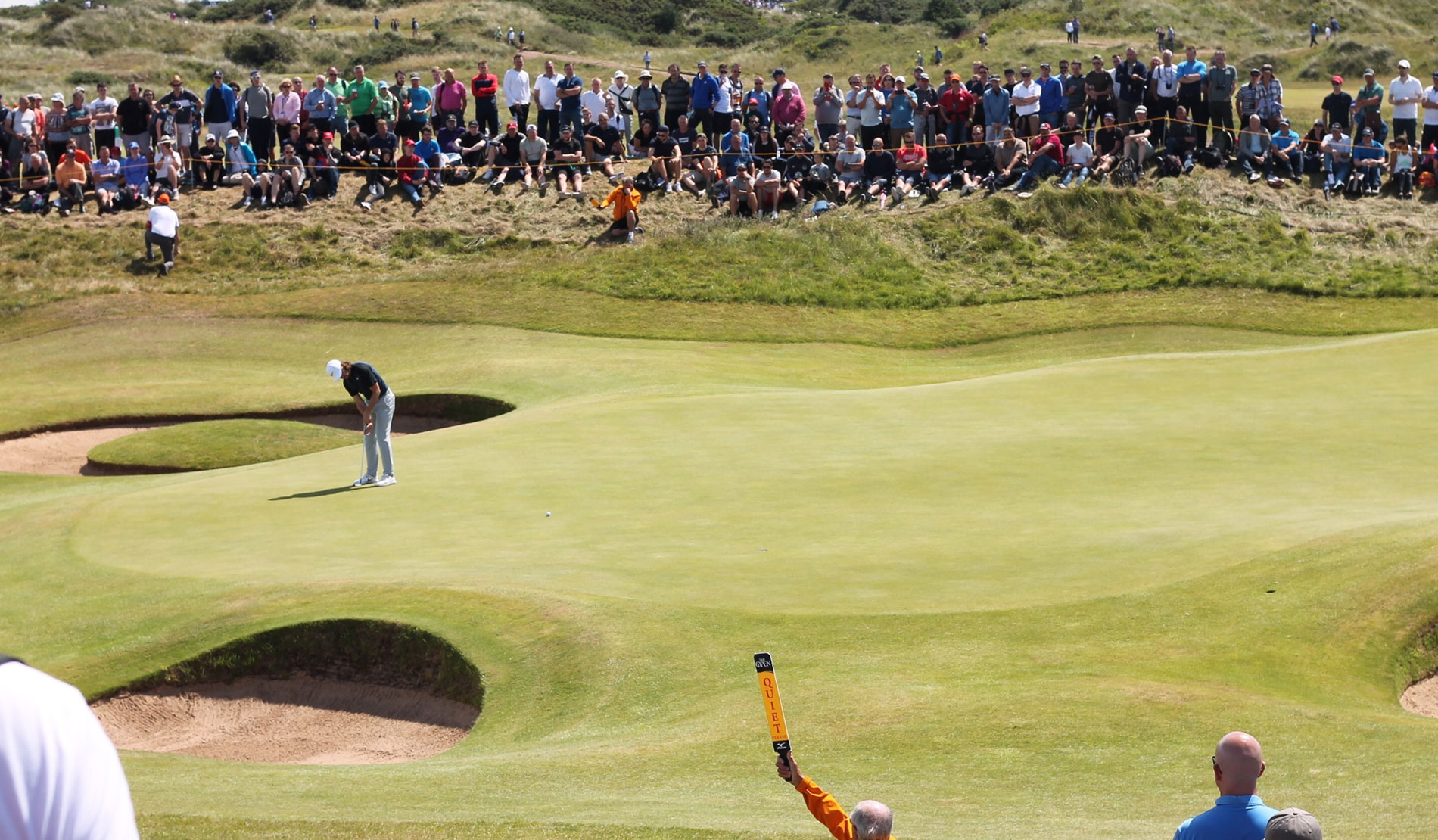
Driving for a Cause Fund-raising outings are proliferating -- but plan carefully July 5, 2008; Page W6 Copyright Wallstreet Journal GOLF JOURNAL, By JOHN PAUL NEWPORT You can read the entire article on the Wallstreet Journal website or here and get the full demographic profile report If you are a known golfer, and also known to have a little bit of extra cash, you may be suffering from charity-golf-event fatigue about now. Here's a startling fact: Every year in the U.S. there are roughly one million golf outings, defined by the Golf Tournament Association of America as organized rounds involving 40 or more players. Ninety percent of them involve fund-raising, and a third take place in the two months just ended, May and June. (The next big onslaught will come in September and October, when 28% of golf fund-raisers take place.) The most familiar charity golf events are unassuming, one-day affairs benefiting local nonprofit organizations and other causes: a hospital that needs a new wing, a family with huge uninsured medical expenses, the regional chapter of the American Cancer Association. If successful, they can raise $20,000 to $50,000 and up. Others are more glamorous and can raise $500,000 or more. Michael Strahan, the New York Giants' recently retired All-Pro defensive end, kicked off his annual event benefiting children's charities Sunday with an intimate concert by Alicia Keys at a midtown Manhattan restaurant. Playing auctioneer, the garrulous Mr. Strahan shamed the celebrity-studded crowd (Spike Lee, Busta Rhymes) into parting with $300,000 for such items as a custom-built motorcycle and a week on a yacht. After golf the next day at a private club in Westchester County, he narrated a closest-to-the-hole competition involving both amateur participants and his "stud muffin" pro-athlete pals. It was led in succession by Marcus Allen, Bruce Smith, Ozzie Smith and the eventual winner, former Chicago Bears great Richard Dent, whose prize was a swank new Audi convertible. Golf events work for fund-raising because they are fun to play in even for casual golfers, provide useful networking opportunities and publicize worthy causes in addition to enriching them. The National Golf Foundation estimated in 2002 that golf events raised nearly $3 billion a year for charity; the GTAA estimates $5 billion a year. The souring economy, however, is making it harder for events to succeed. "More charities are trying golf events because they are getting desperate," says Phil Immordino, chairman of the GTAA, which offers advice and consulting for groups holding golf events. "We're seeing more tournaments but fewer players and less total money raised." To break through the clutter, charitable groups need to be more creative in staging events and give more value to participants, Mr. Immordino says. "Charging sponsors $500 for a sign at one of the holes is really just asking for a handout," he says. "But if you can design the event so that it becomes a legitimate marketing tool for a company, that's a different proposition. The main profit to the charity is from the sponsorship arrangements, not from what the players pay." For example, a smaller-field tournament for 50 doctors might attract significant sponsorship from a medical-equipment company, whereas a 144-player field with a $250 entry fee but no particular sponsorship focus might do well to clear $50 a head after paying course costs and other expenses. The average charity event raises only $11,000, the GTAA says. For participants, value comes in playing a great course, especially a private one that is otherwise inaccessible, copious food and drink, generous goody bags and the chance to hobnob with a smart crowd. But getting all the details right, even for a small event, is as labor-intensive as planning a wedding. "If you're just trying to raise money for new soccer uniforms, spare yourself the six months of brain damage and try to convince some parent who owns a company to write a check instead," Mr. Immordino says. The most lucrative charity event I know about, the Gladney Cup, raised more than $1 million last year in part by offering players a PGA Tour-like experience. Staged at Colonial Country Club in Fort Worth, Texas, the tournament featured electronic scoreboards, Jumbotron replays of on-course action and caddies with bibs bearing the participants' names. Foursomes cost $10,000. Previously, the biennial event was held at Winged Foot in Mamaroneck, N.Y., and at Congressional in Bethesda, Md. It was started in 1999 by Howard Katz, who runs a meat company in Fort Worth and wanted to give something back to the Gladney Center for Adoption, where he and his wife found their daughter 25 years ago. A network of similarly grateful Gladney parents provides national support. One year, for instance, Harry Connick Jr. performed free because his agent is a Gladney mom. The passion of organizers and volunteers is the secret to the best charity events. A few years after LPGA player Heather Farr died of breast cancer in 1993, fellow player Val Skinner, who now announces for the Golf Channel and CBS, started a tournament to promote education and research about the disease. Each year she has little problem persuading a dozen or more of the tour's top stars -- Lorena Ochoa, Morgan Pressel, Natalie Gulbis -- to participate because the message is how deadly undetected breast cancer can be for young, fit women like them. Thus far, the event has donated $4.5 million. Try raising that much money with bingo. Golf Tournament Profiles The GTAA - Golf Tournament Association of America has gathered data from fundraising, corporate outings and association tournaments from around the country on how tournaments do. This information has been gathered from 1,000's of fundraising, association and corporate golf tournaments. This is key information that will help you do a better job with your golf tournament. These questions and more have been answered. The Golf Tournament Industry Profile
- Who produces Golf Tournaments?
- What are the average entry fees?
- What are the most popular tournament formats?
- What is the average amount of money raised?
- What is the average amount of money grossed?
- What is the average number of players per event?
- What are the most popular month’s tournaments are played?
- How many years do tournaments exist?
The Golf Tournament Industry
- 1 Million Golf Outings in the US annually, 40 players or more
- 16 Million Golfers
- 17,000 golf courses
- 52 Events per golf course
- $150 Average entry fee
- $11,000 average net revenues
- $10 Billion industry
- $5 Billion to Charities annually
Who produces Golf Tournaments and why? 4% Alumni Groups Fundraising & networking 27% Associations Fundraising & Networking 2% Chambers/ CVB Networking 54% Charity Fundraising & Media 6% Church/ Ministry Fundraising & Outreach 4% Civic Fundraising & Networking 2% Corporate Entertaining 1% Meeting Planner Entertaining What are the average entry fees? 28% $25 - $100 35% $100 - $150 14% $150 - $200 8% $200 - $250 8% $250 - $300 7% $300 - $400 1% $400 - $500 4% $500 - $1000 3% $1000 + What are the most popular tournament formats? % FORMAT PURPOSE Avg. Fee/Player 64% Scramble Fundraising $25 - $200 16% Best Ball Competition $150 - $450 7% Modified Scramble Fundraising $100 - $300 2% Pro AM’s Entertainment $250 - $2500 1% Celeb AM’s Entertainment $250 - $1500 1% Golf a Thon Fundraising $50,000 1% Night Golf Networking $100 - $150 8% Other What is the average amount of money grossed? $37,000 Average 26% $0 - $5,000 13% $5,000 - $10,000 5% $10,000 - $15,000 9% $15,000 - $20,000 9% $20,000 - $30,000 13% $30,000 - $50,000 8% $50,000 - $75,000 5% $75,000 - $100,000 6% $100,000 - $150,000 2% $150,000 - $200,000 3% $200,000 - $300,000 1% $300,000 + What is the average amount of money raised? $11,000 What is the number of players per event? 6% 40 - 48 19% 52 – 88 19% 92-112 13% 116 – 128 35% 132 – 144 1% 148 – 180 6% 184 – 288 2% 292 + What are the most popular month’s tournaments are played? January 3% February 4% March 3% April 5% May 15% June 19% July 8% August 9% September 17% October 11% November 3.5% December 1% How many years do tournaments exist? 21% 0 – 1 years 33% 2 – 5 14% 6 – 9 28% 10 – 15 5% 16 +
Phil Immordino – President Doug Weber – Executive Director Copyright 2008 GTAA LLC
|